
The resurgence of value stocks presents excellent opportunities, but also risks. If you're new to value stocks, think of them as the rough diamonds of the stock market. Investors often overlook these companies because they aren't the flashy, high-growth stocks that grab the headlines.

But here's the thing: Value stocks have been making a comeback lately, and for good reason. With the recovery from the COVID-19 pandemic and resulting economic uncertainty, investors are realizing that companies with solid earnings, solid fundamentals and reasonable valuations are more valuable than popular stocks that soar to new heights Probably a safer investment.
So let's take a look at the recovery in value stocks and what it means for investors.
What are value stocks?
Before we dive in, let's define what we mean by "value stock." In general, value stocks are companies that trade at low prices relative to their earnings, book value, or other fundamental metrics. The market often views them as "undervalued" as investors overlook them in favor of more popular, high-growth stocks.
Examples of Value Stocks
So what kind of company are we talking about? Some examples of value stocks are established companies such as General Electric, Ford, and AT&T, which may not grow as fast as newer technology companies but still have solid fundamentals and a history of consistent earnings.
Intel Corporation is another good example. Despite being a leading semiconductor maker with a market cap of more than $200 billion, Intel's stock has underperformed its peers. The company has struggled with production issues and lost market share to rivals such as AMD, sending its stock down. However, with a forward P/E ratio of around 10, Intel stock may be undervalued relative to other tech stocks.
Other examples are:
● Ford Motor Company (F): Although Ford is an established automaker, it has had trouble attracting investors. However, given its commitment to electric vehicle production and restructuring plans, Ford shares may be undervalued and represent a valuable opportunity.
● IBM (IBM): IBM is another example of a company that has struggled to gain momentum in recent years. However, the company's investments in cloud computing and artificial intelligence could lead to long-term success and make it an attractive value play.
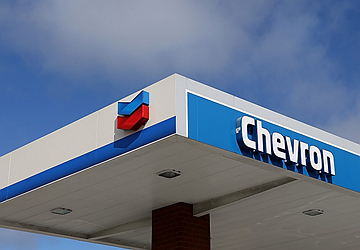
● Chevron Corporation (CVX): Oil and gas stocks such as Chevron have been hit by the COVID-19 pandemic and the push for renewable energy. However, if the economy recovers, these stocks could be undervalued and present a buying opportunity.
● Coca-Cola (KO): As a well-known brand, Coca-Cola is a reliable stock with a history of stable earnings and dividends. While the company may not be growing as fast as some of its tech peers, it offers investors solid returns and is considered a value stock.
A resurgence in value stocks is a great opportunity, but it also comes with risks. If you're unfamiliar with stock valuations, think of them as diamonds in the rough of the stock market. Investors often overlook these companies because they aren't flashy, high-growth stocks that grab the headlines.
But here's the problem. Value stocks have seen a recent resurgence, and for good reason. The recovery from the COVID-19 pandemic and accompanying economic uncertainty has left investors looking for solid earnings, solid fundamentals and reasonable valuations over popular stocks skyrocketing to new heights. We are starting to realize that companies that are more valuable. Probably a safer investment.
So let's take a look at the rebound in value stocks and what it means for investors.
What are value stocks?
Before we get into the details, let's define what we mean by "value stocks." Generally, value stocks are companies that trade at a low price relative to earnings, book value, or other underlying metrics. The market often views them as "undervalued" because investors overlook them in favor of the more popular high-growth stocks.
Examples of value stocks
So what kind of company are we talking about? Examples of value stocks include established companies such as General Electric, Ford, and AT&T. These companies may not be growing as quickly as new technology companies, but they do have solid fundamentals and consistent earnings histories.
Intel Corporation is another good example. Intel is a major semiconductor maker with a market capitalization exceeding his $200 billion, but Intel's stock price is underperforming its peers. The company suffered production problems and lost market share to rivals such as AMD, driving its stock price down. However, with an expected price/earnings ratio of around 10, Intel stock may be undervalued relative to other technology stocks.
Other examples are:
● Ford Motor Company (F): Ford is an established automaker, but it is struggling to attract investors. But given its commitment to electric vehicle production and restructuring plans, Ford's stock could be undervalued and a rare opportunity.
● IBM (IBM): IBM is another example of a company struggling to gain momentum in recent years. But the company's investments in cloud computing and artificial intelligence could lead to long-term success, making it an attractive value in his play.
● Chevron Corporation (CVX): Oil and gas stocks like Chevron have been hit hard by the COVID-19 pandemic and forays into renewable energy. However, should the economy recover, these stocks could become undervalued and a buying opportunity.
● Coca-Cola (KO): Coca-Cola is a well-known brand, a reliable stock with a history of stable earnings and dividends. The company may not be growing as fast as its peers, but it offers investors solid returns and is considered a value stock.